• Skip to primary navigation
  • Skip to main content
  • Skip to primary sidebar

Thyroid Proof Diet

Hypothyroidism Diet That Works When Everything Else Failed

Hypothyroidism Treatment

  • Blog
  • Programs
  • FREE
  • Legal

Blog

Get Your FREE Bottle Of Magnesium Today

February 28, 2023 By Editor

I have exciting news for you today!

I would like to let you know that if you are in the USA you can get a proven, doctor-formulated and full-spectrum magnesium supplement straight to your doorstep – for FREE.

That’s right, for a limited time you can get a FREE bottle of high quality full-spectrum magnesium supplement that has ALL 7 forms of magnesium to try it out and experience the benefits.

It was scientifically formulated with high absorption potential and variety, to help your body produce cellular energy and experience the maximum benefits of this crucial element.

This is for you if you experience altered sleep, mood imbalances, seizures, fluid retention, fatigue, muscle weakness, muscle cramping, high blood pressure, constipation, PMS, migraines and headaches, anxiety, or osteoporosis…)

Claim your FREE bottle of full-spectrum Magnesium today

*Currently available for shipping in the USA only
**If you are outside of the USA you can get Magnesium at up to 28% OFF here

Do You Have Magnesium Wasting?

If you have hypothyroidism or Hashimoto’s disease, then you are almost guaranteed to have some level of magnesium deficiency and related symptoms.

In fact, many symptoms of this nutritional deficiency are very similar or overlapping with hypothyroid symptoms. This includes:

▪Fatigue
▪Muscle cramps
▪Irritability
▪Insomnia
▪Anxiety
▪Water retention
▪Dysglycemia
▪Osteoporosis
▪Diminished ability to cope with stress
▪High blood pressure
▪Heart disease.

Research studies have shown that hypothyroidism can cause rapid loss of magnesium, also called magnesium wasting.

Loss of magnesium in hypothyroidism happens due to 5 main reasons:

1. HPA axis dysfunction as a result of any type of stress
2. Low thyroid hormone levels as a direct consequence of hypothyroidism and Hashimoto’s
3. Additional over-activation of your stress response when your body is trying to compensate negative effects of hypothyroidism by over-producing adrenaline and cortisol
4. Additional hypo-activation of your stress response when HPA axis capacity bottoms out leading to underproduction of cortisol
5. Estrogen dominance which is very common driving force of hypothyroidism and Hashimoto’s disease that gets even worse as you become hypothyroid.

How To Protect Your Thyroid From Negative Effects of HPA Axis Dysfunction

HPA axis Dysfunction

A proper hypothyroidism treatment that addresses glycogen problem caused by hypothyroidism should be your first step if you want to get better sleep, stop and prevent magnesium wasting process and start to retain more magnesium, overcome negative effects of HPA Axis Dysfunction on your thyroid and improve your stress response

But what do you do during times of severe or prolonged stress and when:

▪estrogen dominance (high estrogen, low progesterone or both at the same time) gets out of control because in hypothyroidism you cannot detoxify estrogen properly
▪your thyroid is undertreated or
▪thyroid hormones are not at the optimal levels just yet?

How to get out of this vicious cycle when thyroid and overall health continue to decline and affect your ability to deal with stress?

Well, I have been there and can say that there is ONE THING that is very effective for compensating negative effects of stress, helping to get a good quality sleep. relax and…

It’s a total game changer for many thyroid patients during times of stress and it also helps to overcome one of negative effects of hypothyroidism that makes you even less stress resilient – magnesium wasting.

The good news is there’s actually a solution. One that may sound too simple and easy to be true. Yet, it’s the best answer to combat many negative effects of stress, low thyroid and HPA axis dysfunction problems…

The answer is: magnesium.

You can get it with magnesium-rich foods such as:

  • Dark leafy greens
  • Almonds
  • Cashews
  • Pumpkin seeds
  • Avocados
  • Brussels sprouts

AND you can greatly benefit from getting some extra magnesium in form of a supplement.

The big epiphany for many is to learn that the body needs multiple forms magnesium (there are actually 7 forms of magnesium) because they have different effects on the body. Some help the brain… some help the mood… or energy… some help other systems.

Using multiple magnesium forms and ramping up the dosages makes feel better almost instantly and achieves a profound shift in nervous system within 6 weeks.

This means:

▪Sleep scores improve massively
▪Sleep latency (which is how fast you fall asleep) drop significantly
▪You feel calm virtually all the time
▪You may notice that from not being able to drink coffee anymore (because it was increasing the stress) you go to being able to drink coffee again.

All these improvements are just epic for many who try.

That’s why I would like to introduce you one magnesium supplement that can provide all these benefits and if you are in the United States you can get magnesium for FREE here (USA only) to try and experience the benefits.

Not only does this magnesium contain magnesium forms to help the brain and heart, but it contains ALL 7 MAJOR FORMS of magnesium to help improve:

▪Muscle recovery
▪Effects of obesity
▪Heartburn
▪Migraines
▪Mood
▪Cardiac rhythms
▪And energy/performance

With all 7 major forms of magnesium, this magnesium supplement is the most potent, most effective, full spectrum magnesium available right now.

When taking magnesium 2 hours before bed, better sleep is often observed within the very first week. And many people experience a sense of calm they haven’t felt in a LONG time.

⇒ Get ready to break out of the vicious cycle of HPA axis dysfunction and magnesium wasting and get your FREE Magnesium

*FREE Magnesium is currently available in the USA only.

**If you are outside of the USA you can get Magnesium at up to 28% OFF here

How To Replenish Magnesium

Now that you know how critical magnesium is for everything – it might be tempting to run out to your local drug or health food store and buy some magnesium.

That would be a mistake, though – because most magnesium products do nothing, for three primary reasons:

❌ They are synthetic, unnatural, and not recognized by your body…
❌ They are NOT FULL SPECTRUM
❌ They fail to help you beat stress and its effects

Which means they are missing the various forms of magnesium needed to target various organs in the body and to handle all sources of stress – and boost your performance in every key area.

Most people get 1-2 forms of synthetic magnesium (at best); which is why they typically feel little or nothing from supplements.

However, there is a substantially better effect that occurs when your body gets ALL the magnesium that it needs, in all the forms that it needs at the optimal dosage.

If You’re Only Taking ONE Form Of Magnesium – YOU ARE STILL DEFICIENT!

Why Getting ALL 7 FORMS Of Magnesium Transforms Your Stress And Improves Thyroid

One of the biggest misconceptions about magnesium is that you just “need more” of this essential mineral and you’ll be healthy and optimized.

But the TRUTH is, there are many different types of magnesium – and each play a critical role in different functions in your body.

Much of the population is deficient in ALL forms and when you get all 7 major forms of magnesium, that’s when substantial improvements happen.

In fact, the 7 different forms of magnesium connect to a variety of biological systems.

When you get them in the right dose, everything works better.

Without them, EVERY biological system is compromised…
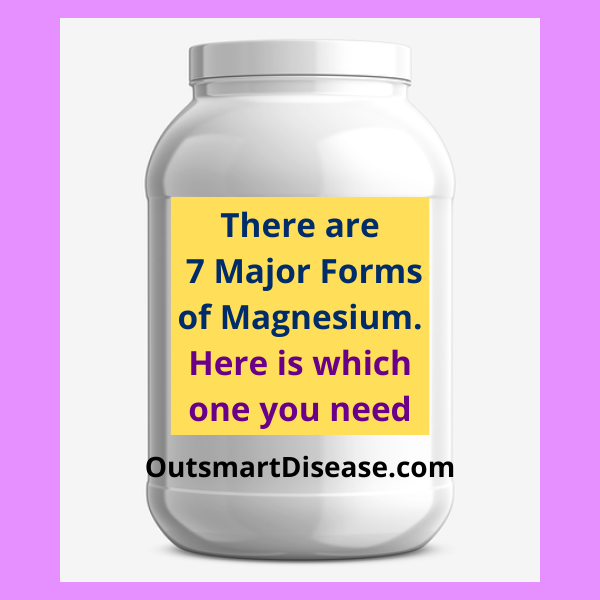
Magnesium For Thyroid

There Are 7 Major Forms Of Magnesium You Need

Magnesium Chelate is especially important for muscle building, recovery, and health.

Magnesium Citrate helps with the effects of obesity and weight gain.

Magnesium Bisglycinate is most often used to treat symptoms of too much stomach acid such as stomach upset, heartburn, and acid indigestion.

Magnesium Malate is thought to be the most bioavailable form (found naturally in fruits, giving them “tart taste.”) It can help with migraines, chronic pain, and depression.

Magnesium L-Threonate (MgT), is important for the brain because it improves learning abilities, working memory, and short- and-long-term memory.

Magnesium Taurate is best for your heart.

Magnesium Orotate helps your heart, too, and is believed to be the best form for metabolic improvements and the thyroid. It assists with recovery process, helps with fatigue and enhances physical performance.

How can you get the benefit of all these forms of magnesium with the right dosages?

==> Discover the full-spectrum FREE magnesium, the role of co-factors and the effects it has on stress and the thyroid

*FREE Magnesium is currently available in the USA only.

**If you are outside of the USA you can get Magnesium at up to 28% OFF here

P.S. Do you like what you read? Get my FREE Thyroid Diet Guide and FREE Hypothyroidism Seminar: The Right And Wrong Ways To Heal and other 5 FREE products currently available here

Filed Under: Blog

Get Paid To Share Your Experience With Thyroid And Autoimmune Disease

July 27, 2019 By Editor

thyroid research

Would you like your voice to be heard?

I would like to let you know about this new and exciting opportunity to help thyroid and autoimmune disease research offered by a health research company.

​Patients (14 and +) and Caregivers (family, friends) from USA and Canadaof health conditions including thyroid disease, Hashimoto’s and Graves’ disease, hypothyroidism, hyperthyroidism, diabetes and autoimmune conditions are invited to voice their opinions through surveys and interviews to contribute to medical research and improve medical products and services.

Join to participate online and ​receive a $5 gift card of your choice for signing up. Your information is confidential, and your email/name is never shared. You may be invited to participate in surveys from time to time, where qualified patients and caregivers will be paid at the $100 per hour rate.

They are proud to have rewarded patients with over $3 million since founding! They pledge to qualified patients and caregivers that they will:

  1. Send you the $5 gift card of your choice, for example Starbucks
  2. Send you a check within a week of when the study is completed
For example, currently urgently looking for participants for:
Thyroid cancer research study is currently looking for people from the USA to participate. If you were diagnosed with thyroid cancer please consider to join the study. You will receive a $100 compensation for your participation in a 60 minute web assisted interview.
Hypoparathyroidism research study for patients from the US who are willing to participate in a 60 min phone interview and compensation of $100.
At least 100 people with Thyroid Eye Disease who are willing to participate in the research study that involves a 10 minutes online survey and compensation of $20.
At least 15 patients with Graves’ disease from USA for a 4 day online research study, 20 minutes per day and $135 compensation.
Parkinson’s Disease Patients ages 40-80 for 40 minute online survey with a $70 payout.
There are more studies like this available and new studies are coming every week for Patients and Caregivers from the USA and Canada.

Would you like your voice to be heard and help medical research?

Complete This Form To Get Started

How Does It Work

During the registration process, they gather personal information (name, address, phone, age, etc.) and additional information regarding participant’s condition, such as disease, disease type, and medications used. They do this so we can send members invitations to participate in research that best corresponds with their current medical status and interests.

Your contact information is used only to invite you to take part in research studies. You will receive an email describing the study, how much time it might take, and what the dollar reward is.

● None of your personal information will be made available to anyone without your permission​ except in the rare instances required by law. This includes your name, address, phone number, and email address.

● Nothing will be ever offered for sale​ – that is not their business. They will never sell your name to anyone else who might want to sell you anything.

● Your individual ​responses to surveys will also be kept confidential​ and never be linked to your personal identifying information.

● Your decisions about participating in a study, responding to specific questions, or discontinuing participation will be respected without question.

The primary way of contacting you is via email​. Your email address will be used to send you invitations to participate in research and gift cards.

Their bank, PNC, requires your address and phone number for them to send you reward checks. And sometimes new sign ups can be called to verify their information. ​But you will never be called for sales purposes.

Occasionally you may be invited to take part in a telephone interview. In that case, you are identified only by your first name and last initial and the state in which you live.

The answers you provide to questions are used to ​help medical research companies, pharmaceutical manufacturers, healthcare providers and advocacy groups improve their products and services​.

Most of the surveys that members are invited to are sponsored by pharmaceutical companies. They are often working on new treatments and want to understand what patients think of descriptions of the new treatments.

They may want to learn which product features and benefits are most important. They may want to learn about patient satisfaction with current products.

The information you provide helps the manufacturers create products and services that match with patient desires. Your answers are combined with those of other participants who have completed the research and the data is analyzed. ​Individual identities are not shared with the data.

In appreciation for participation in offered research projects, ​participants receive a reward payment by check​ mailed directly to them at the close of the research. ​These rewards can range from $25 for a 15 minutes survey to $100 or more for an hour-long telephone interview.

For further details, please refer to the Privacy Policy on the registration page when you

Sign Up HERE To Participate In Research

thyroid research study

P.S. Someone should only be signing up once. After signing up you will receive a confirmation email asking to confirm your email address. After you confirm your email and your information was validated you will receive another email with your login information to your profile so that you can update your info and medical conditions when needed.

If someone used the link and signed up, then immediately went back to the link to signup again they will get a “timed out message.” The system makes you wait 20 or so minutes before you can go back to it and signup again. If this happened to you please:

  1. Check for the confirmation email in your email box asking to confirm your email address. For any case please also check your spam folder.
  2. If you don’t receive a confirmation email please try sign up again in about 20 minutes.

To sign up please click here

P.P.S. Looking for thyroid resources and help? Get FREE live potent probiotic (50 billion good bacteria) and FREE high-quality premium protein with 10-fold absorption. Get it all here
Filed Under: Blog Tagged With: autoimmune disease, hypothyroidism, research, thyroid

10 Hypothyroidism Diet Hacks To Help Heal Your Thyroid

September 8, 2018 By Editor

Hypothyroidism Diet Hacks

A guest article by Tom Brimeyer, Functional Medicine Practitioner and Author of Hypothyroidism Healing Program and Hypothyroidism Exercise Program

Don’t expect to hear this from your doctor, but following the right hypothyroidism diet plan is by far the biggest factor in overcoming hypothyroidism. You can do everything else right and be using the best available supplements or medication, but if your diet isn’t right, then you will be forever fighting a battle that you just can’t win.

Then there’s the problem of actually finding the “right” hypothyroidism diet to follow. Most diets for hypothyroidism are completely outdated and based on poor research, if any research at all. But there’s also a lot of great research out there that is just now starting to connect a lot of the dots with hypothyroidism.

But unfortunately, it will take years or even decades for the general public, or even the medical community, to accept the fact that many of the dietary beliefs that exist today are completely false. And there’s a good chance that they never will.

Until that time comes, I plan to share all kinds of hypothyroidism diet tips with you, starting with these 10 below.

10 Hypothyroidism Diet Tips to Help Heal Your Thyroid

Below I’ve broken down 10 important tips that are a necessity for any successful hypothyroidism diet. But more importantly, I’ve broken them down so that you also understand why they are so important.

All too often, we accept many things that we read as the truth without questioning or verifying the facts with the proper research.

1. Avoid Anti-Thyroid Foods

Anti-thyroid Foods

The first hypothyroidism diet tip that I want to share with you is one that is very important. And this is because it’s a controversial topic because there are some highly touted “health foods” that you are eating which are actually contributing to your hypothyroidism.

Some of the first foods that come to mind are any food that contains soy. This includes soybeans, edamame, soy milk, tofu, etc. Soy is very estrogenic and estrogens have been shown to inhibit the thyroid gland from secreting its thyroid hormones.

This is disturbing because I have seen more than one, very well respected hypothyroidism diet and hypothyroidism treatment program that actually recommend soy without ever discussing this very important link.

Another very controversial food that directly contributes to hypothyroidism is the polyunsaturated fats in your diet. And one reason this is such a big problem is that these fats have been touted for years for their beneficial properties while ignoring the research that clearly show the dangers.

But when it comes to your thyroid, these fats suppress its function on just about every level:

  • First of all, they block the secretion of your thyroid hormone from the thyroid gland itself.
  • Second, they also block the transportation of the thyroid hormone within your bloodstream.
  • And lastly, they block your cells from properly utilizing the hormone once they get it.

The research against these fats simply can’t be ignored. And the best hypothyroidism diet should exclude these fats at all costs. Or else you’re only setting yourself up for failure.

2. Increase Your Saturated Fats

Saturated fats on the other hand carry a lot of unfounded negative criticism. Criticizers of saturated fats still continue to cite outdated and poorly executed research studies from more than 50 years ago while ignoring the enormous amount of research showing their benefits.

One of the major benefits of the saturated fats being part of your hypothyroidism diet is that they help to cancel out the negative effects of the toxic polyunsaturated fats.

They also help by improving your body’s insulin response which helps you to maintain balanced blood sugar levels and reduce stress hormones. Elevated stress hormones are also one of the many hypothyroidism causes.

But you do have to be careful with many animal fats because they might not be quite what they seem on the outside. For example, all conventionally raised cattle are fattened with corn, soy, and other foods that are high in polyunsaturated fats. And because of this, their body fat becomes very unsaturated in the process.

So it’s important to include only high quality saturated fats in your diet for hypothyroidism. This includes fats from grass fed and grass finished animals, butter, and coconut oil.

3. Eat Your Fruit

Foods To Eat For Low Thyroid

Fruit can actually be one of your best friends when it comes to your hypothyroidism diet.

For starters, most fruit is very high in potassium which plays an important role in regulating your blood sugar. This helps to decrease the need of insulin which helps keeps your blood sugar more stable for longer periods of time.

And by regulating your blood sugar, you automatically reduce your stress hormone response which, as I mentioned above, is a common problem with hypothyroidism.

However, there are some fruits which are best avoided. Avocados are a good example because of their high unsaturated fat content.

So, the key is to focus you hypothyroidism diet on the right fruits and avoid those that are working against you.

4. Increase Your Salt Intake

There are a lot of myths out there regarding salt and sodium. But it’s more important than most people realize, especially when it comes to your hypothyroidism diet.

Sodium is actually a very important nutrient that your body needs to carry out a multitude of functions. For example, sodium is necessary for properly regulating blood pressure. But it also has some other important functions in dealing with hypothyroidism.

One of the more common hypothyroidism symptoms is edema. And edema is a problem with your cells that causes them to take up more water. But when your cells take up water, they lose sodium which is then excreted and lost through your urine.

And when your sodium level is low, it actually slows your metabolism and increases your stress hormones which can also lead to sleep problem. And elevated stress hormones end up making you even more hypothyroid.

And because you get sodium from salt, it should make sense that salt is a necessary component of your hypothyroidism diet in order to help keep your stress hormones to a minimum and reverse hypothyroidism.

And most people need a lot more than they think.

Hypothyroidism Treatment

5. Get Plenty of Bone Broth

Most people don’t even know what bone broth is, let alone that it’s one of the best sources of protein that you can get. Bone broth was actually a common part of most people’s diets more than a century ago. But now, it’s become an almost entirely forgotten component of almost every hypothyroidism diet.

Bone broth is best known for being high in nutrients and very easy to digest. But it’s unique because it contains a blend of very anti-inflammatory amino acids that are lacking among most sources of meat.

6. Eat Some Shellfish

Living close to water definitely has its perks, especially when it comes to seafood. But shellfish in general are actually very beneficial to your thyroid and can play a crucial role in your hypothyroidism diet.

For starters, they are a good source of thyroid hormone which we rarely get in our standard meat based diet these days. So eating shellfish alone can help give your thyroid some much needed support.

Another amazing benefit of shellfish is that they are naturally high in selenium. And selenium is one of the key nutrients that are required to convert the inactive T4 to the active T3 thyroid hormone in your liver.

7. Cut the Processed Foods

Thyroid Diet

If it’s one thing that almost every hypothyroidism diet can agree with, it’s that processed foods have no place whatsoever in your diet.

Processed and/or packaged foods are loaded with processed grains that cause lots of problems with your blood sugar. And this causes a spike in your insulin levels which eventually leaves you with low blood sugar. And this creates yet another stress hormone response in order to raise your blood sugar levels back to normal.

There’s also the issue of these processed foods being full of toxic chemicals like flavor enhancers and preservatives. These chemicals are toxic and contribute to liver congestion which makes it even more difficult for your liver to convert the necessary thyroid hormones into their active form.

8. Cook Your Veggies

This is another one of the more controversial topics when it comes to your hypothyroid diet. And that’s because there’s a lot of misconceptions out there regarding raw vs. cooked veggies.

Yes, raw veggies do contain more nutrients than cooked veggies. But it’s not about what you eat; it’s about what you digest.

Because raw veggies are very difficult to digest, you actually extract fewer nutrients from them raw than you do from cooked veggies.

You also want to really cook your veggies well in order to help break down the fiber and make the nutrients as readily available as possible. Otherwise, the fiber can become food for bad gut bacteria which is problematic and also contributes to hypothyroidism.

9. Don’t Overdo the Water

Hypothyroidism And Water Retention

Continuing in our long list of controversial hypothyroidism diet topics, let’s discuss water.

Most people are led to believe that they need 8 glasses of water a day or even more. But what we already know about hypothyroidism is that is causes water retention. So why does it make sense to drink even more water when your body has a problem getting rid of it in the first place?

It doesn’t.

And this can cause your sodium levels to drop even more which as I mentioned above, also contributes to hypothyroidism.

The best recommendation for water while on your hypothyroidism diet is to drink when thirsty. If you work outside in the sun then odds are you’ll need more water than me while I’m sitting here indoors moving only my fingers on the keyboard.

The amount of water you really need depends on many variables. And your thirst is the best indicator of how much you need.

10. Drink Your Coffee

I thought I would round out the 10 hypothyroidism diet tips with… coffee.

Believe it or not, but coffee has some amazing benefits for your thyroid. But keep in mind that it has to be taken right or else it can have some negative effects. You should never drink coffee on an empty stomach. And it’s important to add the right ratios of fat and sugar.

Coffee is high in caffeine which works to stimulate your thyroid. It’s also high in magnesium and B vitamins which are both necessary for proper thyroid function.

Studies also back up these claims showing that coffee drinkers have the lowest incidence of thyroid disease, including cancer.

I know that many of the tips that I just gave you are controversial. But they are all based on research even though the research might not have made it into the public eye for one reason or another. That’s a topic for another article. But I hope that you’ve learned some very useful tips that you can immediately put into action and incorporate into your hypothyroidism diet today to start seeing some results.

If you would like to go deeper learn all details about hypothyroidism diet here

Thyroid Hormones Cycle

Filed Under: Blog, Hypothyroidism Diet

5 Essential Steps for Hypothyroidism Treatment Success

September 7, 2018 By Editor

Hypothyroidism Treatments

A guest article by Tom Brimeyer, Functional Medicine Practitioner and Author of Hypothyroidism Healing Program and Hypothyroidism Exercise Program

There’s a big problem within the medical community today with their approach to treating a number of health problems and diseases. In fact, 9 out of 10 times, this problem exists because their treatments are driven entirely by financial interests and NOT the best interests of the patients who are suffering. Their current sub par approach to hypothyroidism treatment is one that understandably fits the bill.

In just a minute, I’m going to give you some important tips that your doctor isn’t telling you about. However, all of them are necessary for any successful hypothyroidism treatment.

But before I do, I want to talk a little bit about why none of this is even discussed within the medical community.

Hypothyroidism Treatment – Then and Now

Here’s something that most people don’t realize.

Long ago, the doctors at the time were far more successful at treating hypothyroidism than they are today. This was before the pharmaceutical industry was pulling in over $500 billion dollars (yes, I said billion) each year from drug sales.

Many years ago, doctors clearly understood the far reaching effects of hypothyroidism. It was extremely common for doctors to find that hypothyroidism was involved in the majority of their patients’ health problems. Oftentimes, the right hypothyroidism treatment would not only eliminate all of their symptoms, but also leave them with a clean bill of health.

Today, doctors have become far less accustomed to determining the underlying cause of disease. Instead, they have become far too accustomed to treating only their patients’ symptoms. By using drugs to merely cover up your hypothyroidism symptoms, you do absolutely nothing to improve your state of health. It’s very common that you develop newer and more severe symptoms in the process.

Unfortunately, when there’s more than $500 billion dollars at stake each year, there’s no real incentive to heal people. There’s far too much money to be made if people continue to stay sick and develop new and more serious health problems that require the use of even more drugs.

If we went back to our old ways of using far more effective hypothyroid treatment options, then there would be too few people left to spend all of their hard earned money on a lifetime of prescription drugs.

Thyroid treatment

The Truth About Hypothyroidism Treatment

The truth is that there is so much more that you can do to treat hypothyroidism than what your doctor may or may not recommend.

There is so much more that you can do to treat #hypothyroidism than what your doctor may or may not recommend for your #thyroid.

Click To Tweet

As I mentioned above, because the medical community is largely driven by the financial interests of the pharmaceutical industry, most patients are sent home with the wrong medication. Oftentimes it only makes their hypothyroidism worse in the end (more about that below).

A quick search on just about any online medical reference will quickly tell you that there are certain foods and supplements that may affect your ability to absorb many of the thyroid medications that are readily prescribed.

The problem is that not a single one mentions any foods or supplements that can directly affect your ability to produce or utilize the thyroid hormone that your body naturally makes. In fact, most medical professionals will tell you that your diet has little to no impact whatsoever on the health of your thyroid.

However, when start to look at the research, it tells a very different story.

5 Step Hypothyroidism Treatment That Works

Hypothyroid Treatment

You can throw all of the supplements, medication, etc. at your thyroid that you want. But if you don’t get the basics right, then you’re essentially wasting your time. This is because you are missing the bigger picture.

Below I’m going to cover 5 essential steps that are an integral part of any hypothyroidism treatment if you want to truly restore your life, health, and energy.

1. Start a Hypothyroidism Treatment Diet

Hypothyroidism Treatment Diet

There has been a lot of research that demonstrates the important connection between your diet and hypothyroidism. Certain foods directly contribute to hypothyroidism and should be avoided as part of your treatment for hypothyroidism. There are some nutrients that are necessary for your thyroid to function properly.

It should only make sense that your diet should play a big role in your hypothyroidism treatment.

One of the best examples of a problem food are the polyunsaturated fats. Research clearly shows that these fats block:

  • Your thyroid from releasing its thyroid hormones
  • Your thyroid hormone from being transported properly within your bloodstream
  • Your cells from properly using your thyroid hormone.

There are key nutrients that your body needs to effectively produce the necessary thyroid hormones that it needs to keep your cells happy and healthy.

This brings us to the second step.

2. Restore Your Liver Health

Thyroid And Liver Connection

Most of the active thyroid hormone T3, that your body uses is produced by your liver. Your liver can’t do this unless it has plenty of stored glycogen and certain nutrients, such as selenium.

If your blood sugar is out of balance and your hypothyroidism diet lacks certain key nutrients then your liver can’t do its job. Even though your thyroid gland itself may not be the problem, your liver can be responsible for slowing it down, resulting in hypothyroidism.

The health of your liver is another major consideration when it comes to your hypothyroidism treatment.

3. Improve Your Stress Management

Stress and thyroid

Most people take their lifestyle for granted. However, your lifestyle can be a determining factor in whether or not your hypothyroidism treatment is successful or whether you continue to become even more hypothyroid.

No matter how you look at it, it always boils down to stress.

Unfortunately, many people don’t realize what stress actually does to the health of your thyroid. For starters, it starts an entire cascade of hormonal reactions within your body, many of which are inflammatory and cause even more stress.

Your stress hormones also play an active role in suppressing your thyroid. It does this by both:

  • Inhibiting your liver from converting T4 to active T3, as mentioned above and
  • By increasing the conversion to the hormone, Reverse T3, which effectively blocks your thyroid function.

The more stressful our lives become, the more important it becomes to keep stress to a minimum as part of your hypothyroidism treatment.

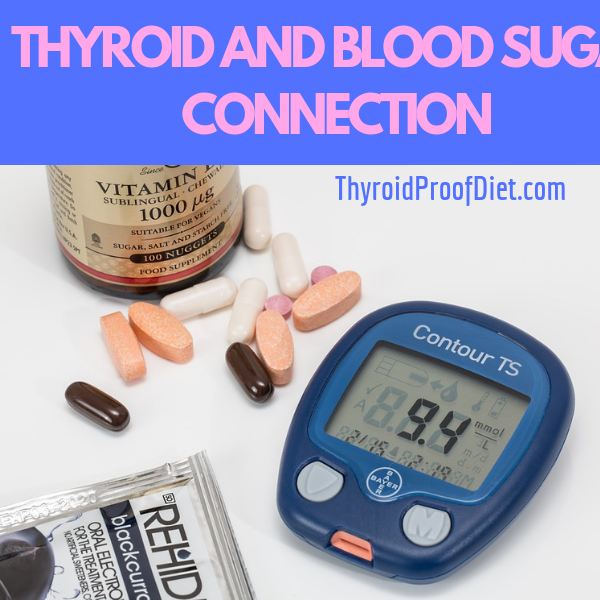
4. Balance Your Blood Sugar

Thyroid And Blood Sugar

Speaking of stress and stress hormones, one of the fastest and most common ways to increase your stress hormones is to allow your blood sugar to drop too low.

When this happens, your body increases your stress hormone, cortisol, which is responsible for breaking down your muscle tissue in order to raise your blood sugar back up.

But as I’ve already mentioned above, cortisol works against your thyroid.

Balancing your blood sugar should be an extremely important part of any hypothyroidism treatment.

5. Use the Right Thyroid Medication

Thyroid Supplements And Medication

Once you get your diet right, liver healthy, stress hormones under control, and blood sugar balanced, then your thyroid will begin to function far more effectively. But for some, it still might not be quite enough to get their thyroid health completely back to normal.

Only then is when thyroid medication and supplementation can come in handy as part of your hypothyroidism treatment.

Your entire hormonal system is very complex and oftentimes hormonal feedback pathways can really inhibit your thyroid hormones from returning to normal levels. In these situations, supplementing with the right thyroid hormones can help restore proper hormonal levels rather quickly.

It is important to know that not all #thyroid drugs and supplements are created equal. Some have no business being part of any #hypothyroidism treatment plan

Click To Tweet

For example, iodine is oftentimes the wrong choice of supplementation which can actually cause more harm than good.

The medical community continues to prescribe T4 only thyroid medication when research clearly shows that it is not effective for the majority of people. Way too often, this additional T4 will actually make you even more hypothyroid which is very counterproductive when it comes to hypothyroidism treatment.

The key is to find the right combination of hormones that your body needs to restore balance.

Hypothyroidism Treatment Results

It’s also important to consider that there are also factors that affect how fast or slow that you begin to see the results of implementing the steps mentioned above in your hypothyroidism treatment plan.

For example, it can vary largely due to a woman’s cycle. This is because of the role that estrogen and progesterone play in her ability to handle certain nutrients in her diet. It’s not uncommon for her symptoms to return when estrogen peaks during her cycle. However, it normally only takes a cycle or two before things begin to stabilize.

If you can get a handle on these 5 essential steps for hypothyroidism treatment success then you will be well on your way to not only seeing improvements with your hypothyroidism but also with fully restoring your health and energy.

You can get all the details here

Hypothyroidism Treatment

Filed Under: Blog, Hypothyroidism Treatment

3 Ways Coffee Can Heal Your Thyroid and Save Your Life

September 12, 2017 By Editor

Thyroid And Coffee

A guest article by Tom Brimeyer, Functional Medicine Practitioner and Author of Hypothyroidism Healing Program and Hypothyroidism Exercise Program

In the not so distant past, coffee has been put through the ringer. It’s been called every bad name in the book. Many so-called “health experts” have even gone as far as to label coffee as a highly addictive drug that is equivalent to a number of illegal narcotics.

But now, the “coffee” tables have turned because more and more research is being published supporting the vast protective benefits that coffee has to offer. The truth is that coffee is a nutrient, not a drug like many would have you believe.

To be completely honest, I was never a fan of coffee. I couldn’t stand the taste of it. But when I started to learn the science behind coffee and how it can be used to correct hypothyroidism and restore healthy metabolism, my taste buds quickly changed.

Now, thanks to more recent research, it’s becoming easier to understand the connections between coffee and thyroid and how it can help to protect you from a number of thyroid related health problems.

Coffee, Longevity, and Thyroid Function

Coffee And Thyroid

The health of your thyroid is one of the most important factors when it comes to overall health and longevity.

In simplistic terms, your thyroid controls your cells’ ability to produce energy. When you become hypothyroid, your metabolism slows and your ability to produce energy decreases. When your cells cannot produce enough energy to stay happy, healthy, and sustain life… You develop disease and eventually die.

It’s as simple as that.

This is why anti-aging scientists are discovering that the key to extending life and living longer is to improve thyroid function so that your body can continue to produce the energy it needs to sustain life.

What does this have to do with coffee?

The results of the largest coffee study to date were recently published in the New England Journal of Medicine involving more than 400,000 U.S. men and women ages 50 to 71, over a 14 year span of time.

Association of Coffee Drinking with Total and Cause-Specific Mortality

http://www.nejm.org/doi/full/10.1056/NEJMoa1112010

Conclusions: In this large prospective study, coffee consumption was inversely associated with total and cause-specific mortality.

Not only does this study show that those who drank coffee lived longer, it also shows that the more coffee they drank, the longer they lived.

  • Men’s Results: two to three cups of coffee per day decreased risk of death by 10% in men. And each addition cup provided an additional 6% decreased risk.
  • Women’s Results: two to three cups of coffee per day decreased risk of death by 13% in women. And each additional cup provided an additional 5% decreased risk.

Based on our understanding of human physiology and longevity, coffee reduces your risk of death by helping your cells produce energy, increasing your metabolism, and therefore improving thyroid function.

However, because of the nature of this study, they were not able to identify the exact mechanisms through which coffee reduces the risk of death and extends life.

Below, we’re going to explore just a few of these exact mechanisms through which coffee can provide amazing benefits for overcoming hypothyroidism, and many of its associated health problems.

1. Coffee Protects You From Thyroid Disease

Coffee for thyroid

When it comes to coffee and thyroid, it doesn’t get any more obvious than this. Coffee has been shown to have a direct effect on the health of your thyroid gland.

Research has shown that coffee drinkers have a significantly lower incidence of both benign and malignant thyroid disease, including thyroid cancer.

Does coffee consumption protect against thyroid disease?

http://www.ncbi.nlm.nih.gov/pubmed/2816215

“Statistical analysis revealed a strikingly negative (p less than 0.05) association between benign and malignant thyroid disease and consumption of coffee. After adjustment for possible confounding variables, the association remained statistically significant.”

It is well known that various thyroid diseases including Hashimoto’s Thyroiditis and thyroid cancer are common causes of hypothyroidism today. Using coffee properly to help prevent these diseases is a big step in the right direction.

2.Coffee Protects You From Cancer and Estrogen

coffee and estrogen

Coffee doesn’t only protect you from thyroid cancer. It also protects against a number of other cancers, including breast cancer, which is especially a concern for menopausal women.

Coffee consumption modifies risk of estrogen-receptor negative breast cancer.

http://www.ncbi.nlm.nih.gov/pubmed/21569535

“CONCLUSIONS: A high daily intake of coffee was found to be associated with a statistically significant decrease in ER-negative breast cancer among postmenopausal women.”

Many people don’t know this, but there is a link between hypothyroidism and breast cancer. This is because of the role that estrogen plays in suppressing the thyroid gland, disrupting healthy metabolism, and promoting cancer metabolism and growth.

Coffee has been shown to help support your body’s ability to produce progesterone, the hormone that plays the important role of offsetting the negative effects of estrogen and is essential in signaling your thyroid gland to release healthy amounts of thyroid hormone when needed.

It should be no surprise that coffee not only helps to protect you from breast cancer but that it also helps to promote healthy function of the thyroid gland.

3. Coffee Protects You From Liver Dysfunction

coffee and liver

Coffee has also been shown to be highly protective of your liver. Below is just one of many studies that show the positive effects that coffee can have on the health of your liver.

Effects of coffee consumption against the development of liver dysfunction

http://www.ncbi.nlm.nih.gov/pubmed/10680318

“These results suggest that coffee may be protectively against the liver dysfunction in middle-aged Japanese men.”

The health of your liver is very well understood when it comes to proper thyroid function. Your liver plays a major role in regulating your thyroid and converting your inactive T4 thyroid hormone to the active T3 thyroid hormone that your cells need to thrive. Liver dysfunction is a major cause of hypothyroidism today that deserves a lot more attention than it currently gets.

Because coffee can help improve liver function, it can also play an important role in improving your liver’s ability to properly regulate thyroid hormone and improve your overall thyroid function.

When it comes to your thyroid, the health benefits of coffee go much further than what I’ve described above. This is really just scratching the surface of the health benefits associated with coffee.

In a world where stress and disease are lurking around every corner, it’s important to take advantage of every thyroid protective nutrient that you have at your disposal, and coffee is one of the most important ones.

I’d like to invite you to watch a special presentation where I explain how my very simple diet and treatment process work for every single of my clients including those with Hashimoto’s disease. To watch go here or if you have no time to watch read here.

Hypothyroidism Healing Program

Filed Under: Blog, Hypothyroidism Diet

A Complete List Of Most Common Low Thyroid Symptoms

September 10, 2017 By Editor

low thyroid symptoms

A guest article by Tom Brimeyer, Functional Medicine Practitioner and Author of Hypothyroidism Healing Program and Hypothyroidism Exercise Program

Low thyroid symptoms are very common and can affect anyone. Hypothyroidism is most well known for its relationship to your metabolism and oftentimes weight gain or the inability to lose weight. But that’s just the tip of the iceberg when you begin to look at the multitude of various low thyroid symptoms ranging from digestive to sensory symptoms.

But also keep in mind that different people develop different symptoms. There is no one set pattern of symptoms that all hypothyroid people progress through. It all has to do with how your body responds and compensates.

One person might gain 30 lbs. and be unable to lose it no matter what. And the next person may develop heart palpitations or chronic depression.

If you find yourself suffering from any of these low thyroid symptoms then you have to strongly consider that you very well might be hypothyroid. And I encourage you to take an active role in your health because all too often we place our health in the hands of others who don’t have our best interests in mind.

So, do yourself a favor and educate yourself, or find someone who is willing to educate you on what is really happening with your body and what the underlying cause of your health problems really is. Only then can you make an educated decision as to what is best for your health.

A Quick Note on Hypothyroidism Testing Flaws

Low Thyroid Testing

And keep in mind that most thyroid test options are flawed and oftentimes lead to a false negative hypothyroidism diagnosis. And so millions of people go untreated or are improperly treated for various other related symptoms that stem from underlying hypothyroidism.

Because of this, I often recommend what is called a therapeutic trial to confirm your own diagnosis. This is where you follow a proper hypothyroidism treatment protocol including the right hypothyroidism diet and monitor your symptoms.

If your hypothyroidism symptoms improve then you can confirm that your speculation was correct.

Below I’ve listed a very comprehensive set of hypothyroid symptoms that are broken down into categories which shows you just how extensive these symptoms can be.

General Low Thyroid Symptoms

Hypothyroidism Symptoms

  • Fatigue or Excessive Tiredness
  • Weight Gain or Inability to Lose Weight
  • Obesity
  • Excessive Weight Loss
  • Cold Extremities
  • Swollen Neck or Goiter
  • Loss of Stamina
  • Afternoon Energy Crash
  • Low Morning Temperature
  • Edema
  • Difficulty Breathing
  • Dry and/or Gritty Eyes
  • Slow Recovery
  • Inability to Exercise
  • Trembling, Jittery, or Shivering Feeling
  • Hoarse Voice
  • Cold Sweats
  • Lack of Coordination
  • Heavy Eyelids

Sleep Related Low Thyroid Symptoms

Thyroid and sleep

  • Insomnia
  • Poor Sleep Quality
  • Waking Up Feeling Unrested
  • Difficulty Getting Out of Bed in the Morning
  • Frequent Nightmares
  • Sleep Apnea
  • Excessive Snoring
  • Night Sweats

Sensory Low Thyroid Symptoms

Underactive Thyroid Symptoms

  • Inability to Concentrate
  • Slowed Reflexes and Reaction Time
  • Sensitivity to Light and/or Sun
  • Sensitivity to Hot and Cold
  • Sensitivity to Strong Odors
  • Sensitivity to Loud Noises
  • Blurred Vision

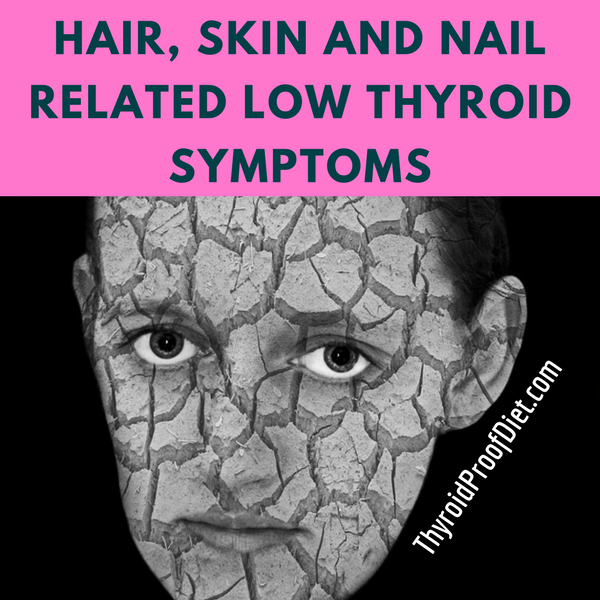
Hair, Skin, and Nail Related Low Thyroid Symptoms

Thyroid Symptoms in women

  • Puffiness or Swelling of Eyes, Face, Hands, Feet, and/or Ankles
  • Hair Loss
  • Brittle Hair
  • Loss of Eyelashes
  • Loss of Eyebrow Hair (outer portion)
  • Brittle, Flaky, or Peeling Nails
  • Dry, Flaky, or Course Skin
  • Pale and/or Yellowish Skin Pigment
  • Dark Circles Under Eyes
  • Orange Calluses
  • Bruise Easily
  • Acne
  • Rashes and Various Skin Conditions

Digestive Low Thyroid Symptoms

Digestive Low Thyroid Symptoms

  • Loss of Appetite
  • Constipation
  • Food Allergies and Sensitivities
  • Difficulty Swallowing
  • Swollen Tongue or Ridges on Tongue
  • Dry Mouth
  • Alcohol Intolerance
  • Hemorrhoids
  • Irritable Bowel Syndrome (IBS)
  • Abdominal Distention
  • Excessive Gas
  • Bad Breath
  • Diabetes
  • Liver/Gallbladder Issues
  • Salt Cravings
  • Sweet Cravings
  • Hypoglycemia

Heart Related Low Thyroid Symptoms

Thyroid and heart disease

  • High Cholesterol
  • High Blood Pressure
  • Low Blood Pressure
  • Slow/Weak Pulse (under 60 bpm)
  • Fast Pulse (over 90 bpm at rest)
  • Heart Palpitations
  • Heart Disease
  • Bleeding/Clotting Issues

Immune Related Low Thyroid Symptoms

Autoimmune Thyroid Symptoms

  • Recurring Urinary Tract Infections (UTIs)
  • Recurring Upper Respiratory Infections
  • Fungal and Candida Infections
  • Rheumatoid Arthritis
  • Lupus
  • Asthma
  • Multiple Sclerosis
  • Autoimmune Disease
  • Cancer

Mental Low Thyroid Symptoms

Underactive thyroid symptoms in women

  • Panic attacks
  • Poor Memory
  • Confusion
  • Restlessness
  • Mental Sluggishness
  • ADD/ADHD
  • Slowed Speech
  • Difficulty Learning New Things
  • Poor Concentration
  • Phobias
  • Loss of Motivation
  • Light Headedness
  • Vertigo or Dizziness
  • Postpartum Depression
  • Epilepsy or Seizures

Emotional Low Thyroid Symptoms

Hypothyroidism Symptoms In Women

  • Depression
  • Nervousness and Anxiety
  • Easily Upset
  • Antisocial Behavior
  • Mood Swings
  • Lack of Confidence
  • Bipolar Tendencies

Pain Related Low Thyroid Symptoms

Thyroid Symptoms

  • Migraines
  • Pressure Headaches
  • Muscle Cramps
  • Muscle Spasms
  • Back Pain
  • Wrist Pain
  • Foot Pain
  • Arthritis
  • Joint Pain or Stiffness
  • Carpal Tunnel Syndrome
  • Tendinitis

Women’s Health Related Hypothyroidism Symptoms

Hypothyroid Symptoms In Women

  • PMS
  • Irregular, Longer, Lighter, or Heavier Menstrual Cycles
  • Severe Menstrual Cramps
  • Infertility
  • History of Miscarriage
  • Fibroids
  • Loss of Libido

Men’s Health Related Hypothyroidism Symptoms

Low Thyroid Symptoms In Men

  • Loss of Libido
  • Erectile Dysfunction

Hopefully all of these low thyroid symptoms have opened your eyes and given you a better understanding of the importance of detecting and properly treating hypothyroidism in order to properly restore and maintain your health. Most people, doctors, and healthcare professionals fail to make this connection and far too often the underlying cause of your health problems is missed or misdiagnosed.

Your thyroid is responsible for so much more than increasing your metabolism and helping you to lose weight. It plays an important role in balancing and producing hormones, reducing cholesterol, reducing inflammation within your body, fighting cancer, reducing your risk of autoimmune disease, keeping your brain energized and mentally alert, and slowing the natural aging process.

So many of the low thyroid symptoms listed above can be both easily avoided or easily eliminated when you learn how to properly restore the function and health of your thyroid. And it always begins with properly educating and empowering yourself to take control of your health.

Learn about the exact steps how to improve your low thyroid symptoms with a diet here


Hypothyroidism Treatment

Filed Under: Blog, Hypothyroidism Treatment

Primary Sidebar

Free Thyroid Supplements

Hypothyroidism Treatment

Hypothyroidism Exercise

All publications and any information provided on this blog is for informational and educational purposes only, and should not be used as an alternative or a substitute for professional medical advice, diagnosis, or treatment.
  • Blog
  • Programs
  • FREE
  • Legal

Copyright© 2026 · Log in